Listen to the episode HERE on Soundcloud or visit the podcast on iTunes, either through the Podcasts App (just search for “Stuff about Things Art History”) or by clicking HERE. Happy listening!
Sources:
- Hicks, Dan. The Brutish Museums: The Benin Bronzes, Colonial Violence and Cultural Restitution. London: Pluto Press, 2021.
- Jenkins, Tiffany. Keeping Their Marbles: How the Treasures of the Past Ended Up in Museums—and Why They Should Stay There. Oxford: Oxford University Press, 2018.
- Phillips, Barnaby. Loot: Britain and the Benin Bronzes. London: Oneworld Publications, 2021.
Essays/Articles:
- Bakare, Lanre. “Bronze cockerel to be returned to Nigeria by Cambridge college.” The Guardian, November 27, 2019.
- Cuno, James. “Culture War: The Case Against Repatriating Museum Artifacts. Foreign Affairs 93, no. 6 (November/December 2014): 119-124, 126-129.
- Edvardsson Björnberg, Karin. “Historic Injustice and the Moral Case for Cultural Repatriation.” Ethical Theory and Moral Practice 18, no. 3 (June 2015): 461-474.
- Greenberger, Alex. “The Benin Bronzes, Explained: Why a Group of Plundered Artworks Continues to Generate Controversy.” ARTNews, April 2, 2021.
- Hickley, Catherine. “Nigeria seeks to calm tensions over return of Benin bronzes.” The Art Newspaper, January 7, 2022.
- Jenkins, Tiffany. “From objects of enlightenment to objects of apology: why you can’t make amends for the past by plundering the present.” In Dethroning historical reputations: universities, museums and the commemoration of benefactors, edited by Jill Pellew and Lawrence Goldman, 81-92. London: University of London Press, 2018.
- Khomami, Nadia. “Cambridge college to be first in UK to return looted Benin Bronze.” The Guardian, October 15, 2021.
- Marshall, Alex. “This Art Was Looted 123 Years Ago. Will It Ever Be Returned?” The New York Times, January 23, 2020.
- Okediji, Moyo. “On Reparations: Exodus and Embodiment.” African Arts 31, no. 2 (special issue – Spring, 1998): 8-10.
- The British Museum Blog. “Major new archaeology project on site of new museum in Benin.” November 13, 2020.
- Wills, Matthew. “The Benin Bronzes and the Cultural History of Museums.” JSTOR Daily, May 22, 2021.
- Wysocki Gunsch, Kathryn. “Art and/or Ethnographica?: The Reception of Benin Works from 1897-1935.” African Arts 46, no. 4 (Winter 2013): 22-31.
Additional materials:
- The British Museum Official Website – Benin Bronzes
- Pitt Rivers Museum – The Benin Bronzes
- Adjaye Associates – Edo Museum of West African Art (EMOWAA)
- Vox – “The British Museum is full of stolen objects” (Youtube video)
- James Acaster – “On the Absurdity of The British Empire” (comedy routine)
- DW Documentary – “Africa’s Looted Art” (documentary)
- “Blood Art” – podcast episode on the Benin Bronzes from Stuff the British Stole podcast
Images:
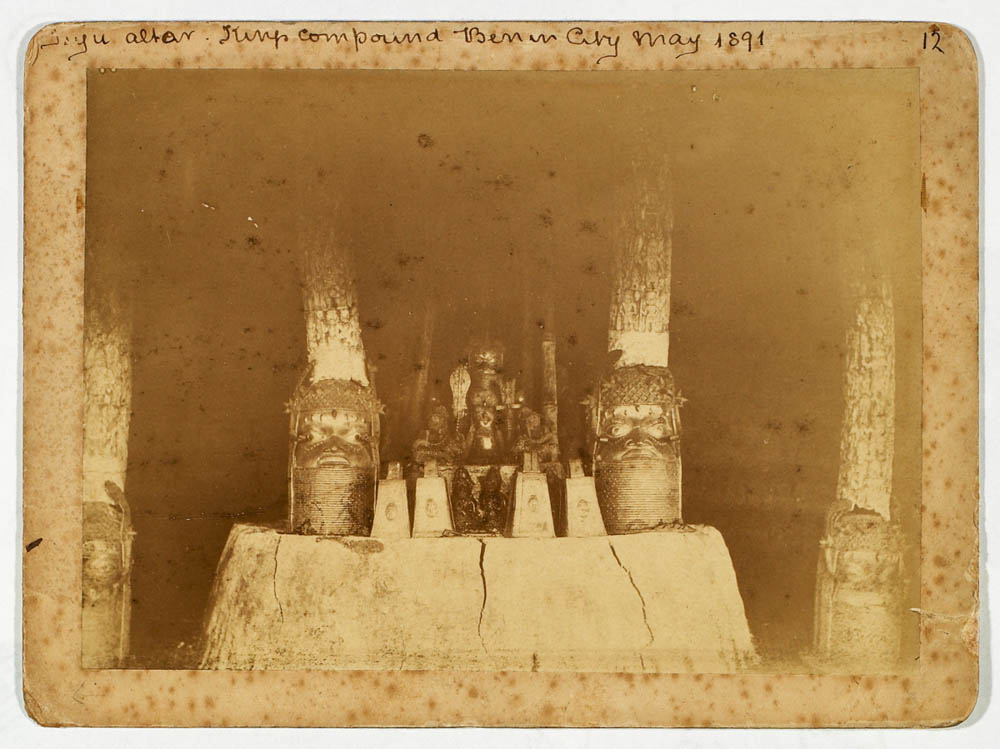
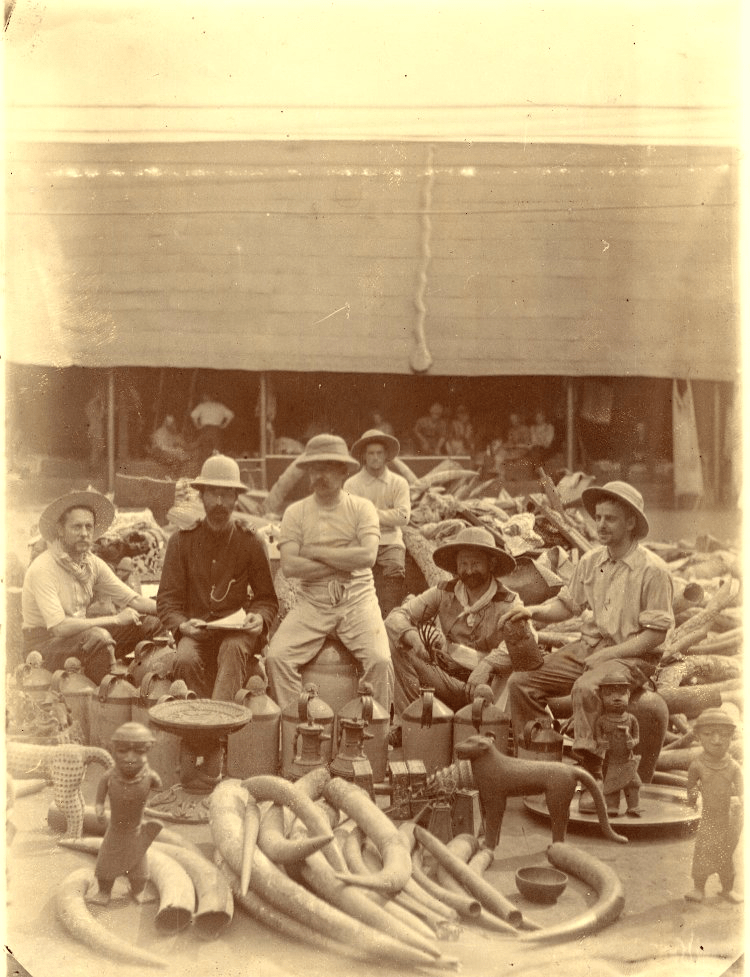


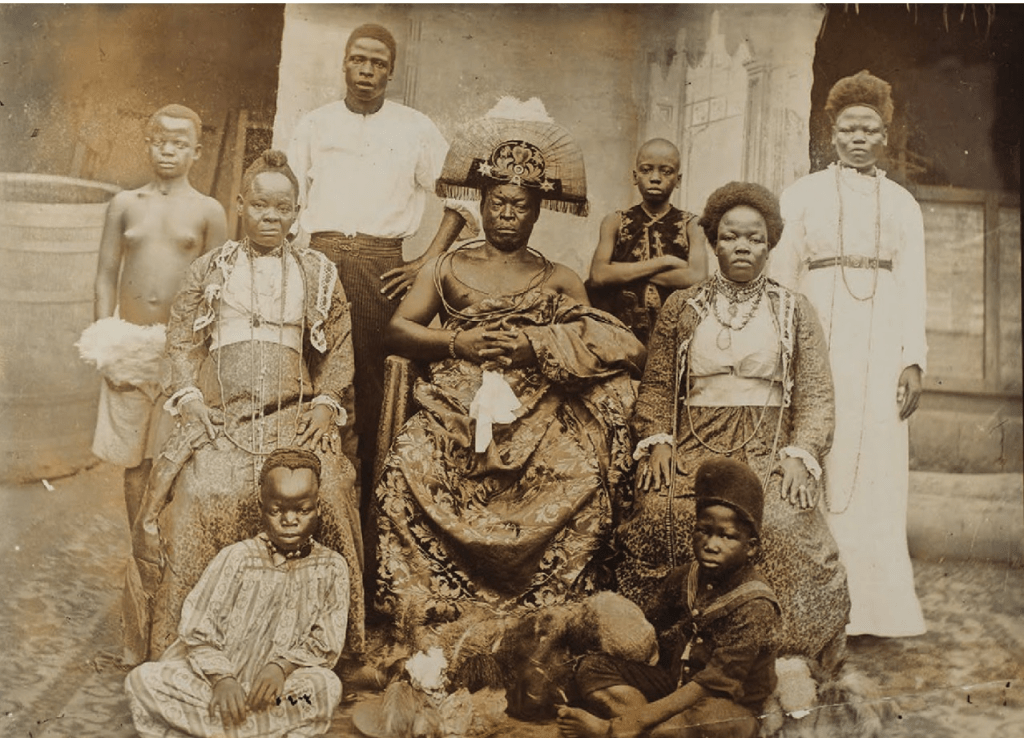
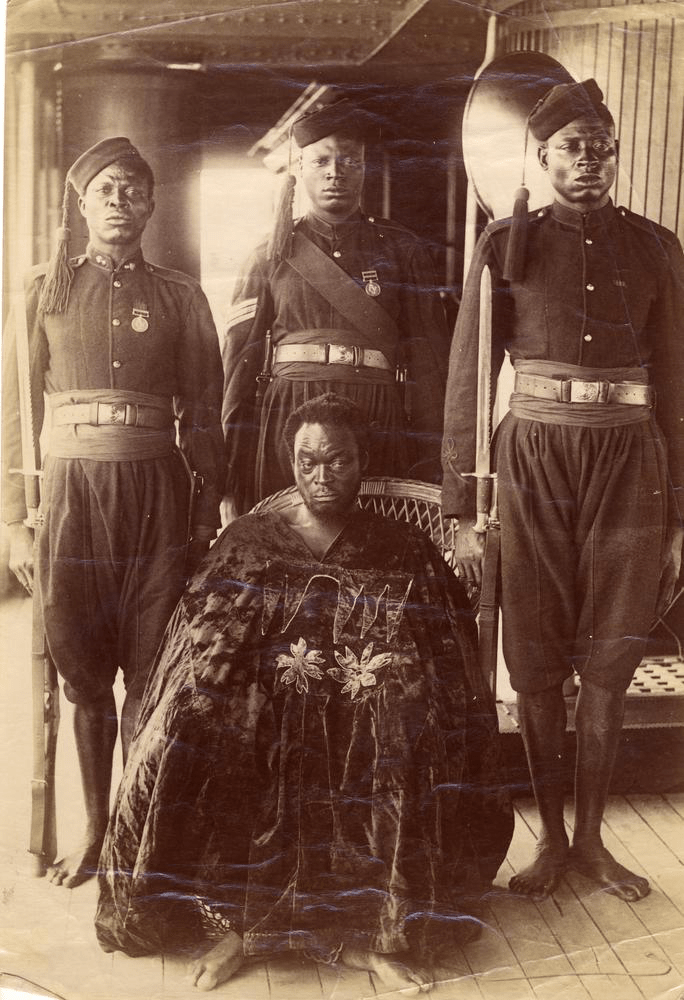


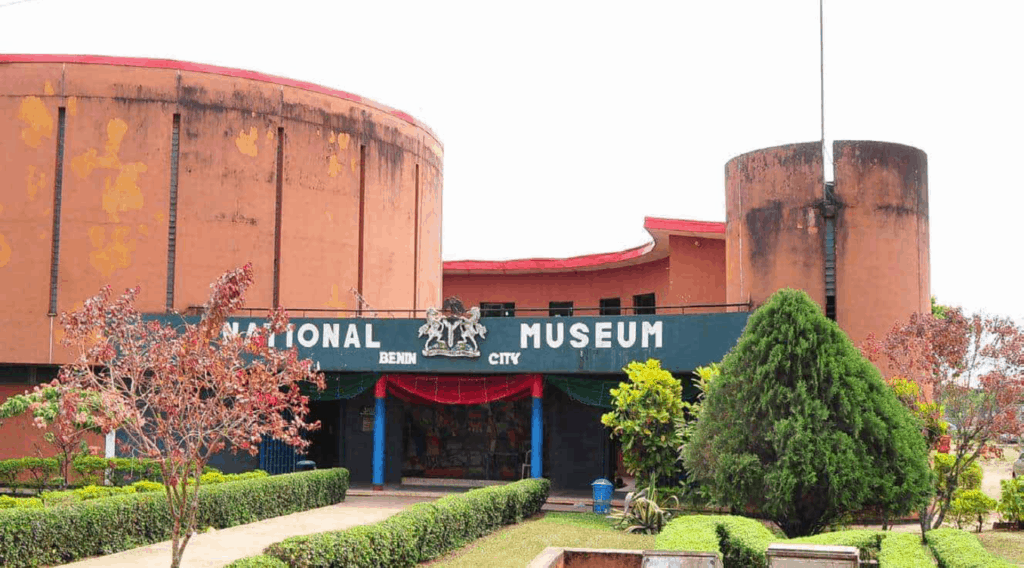


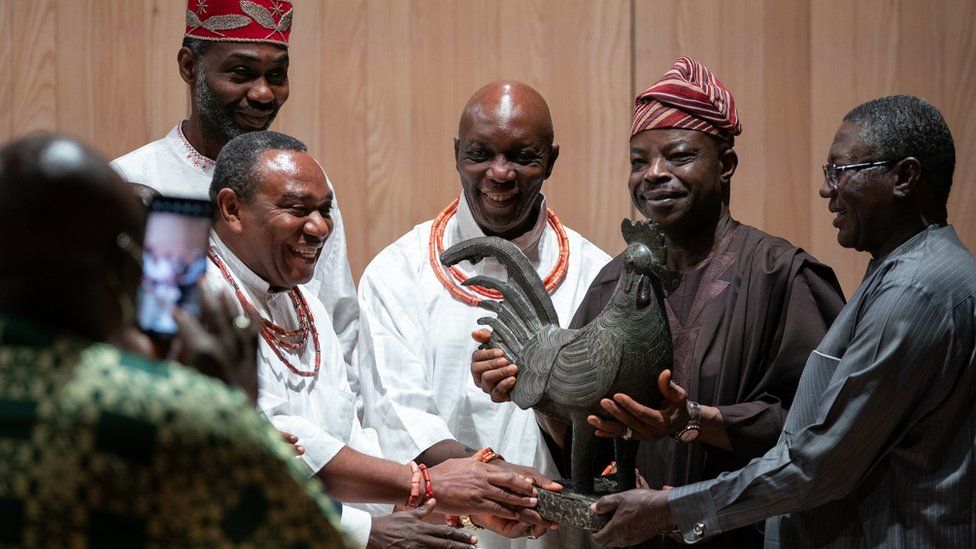
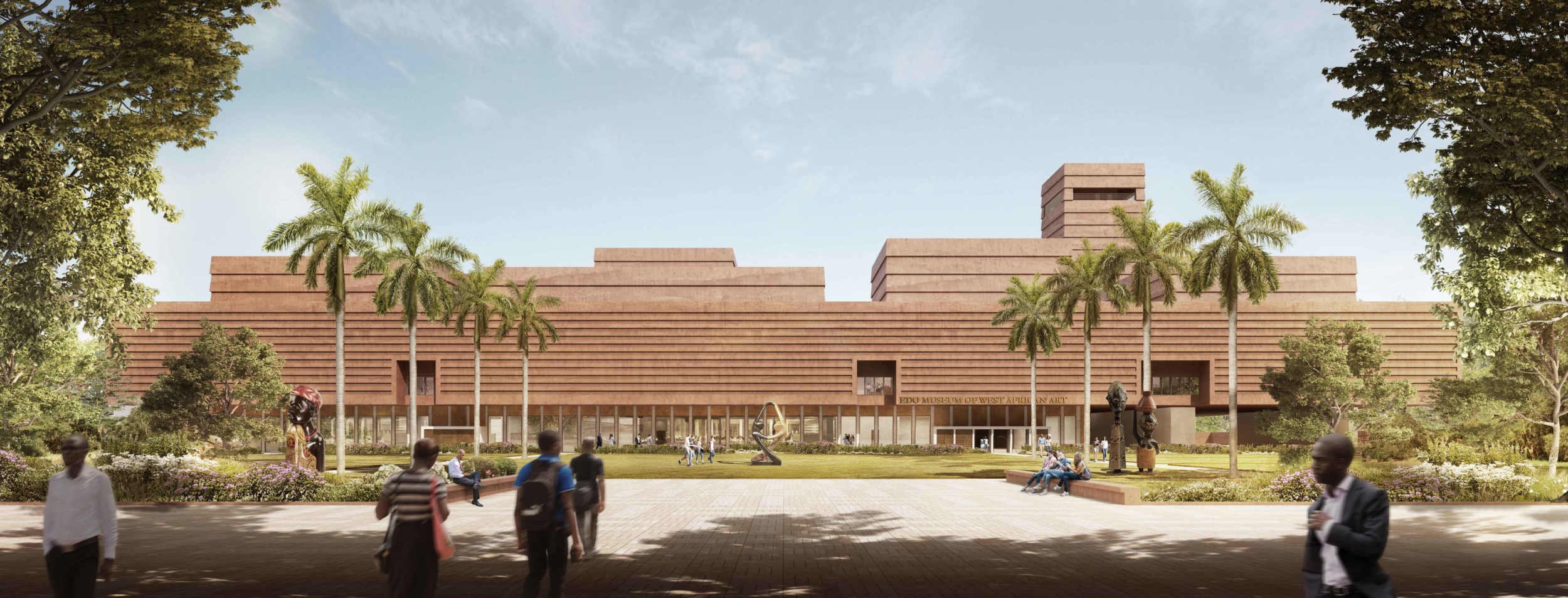
Happy listening!
-Lindsay
 Stuff about Things


Just wanted to say stumbled onto your podcast. Listened to a few. I enjoyed it very much.
LikeLike
Thanks so much, AJ! This comment made my day. I hope you continue to enjoy it! -Lindsay
LikeLike
Great two eps! Learned alot! Its an important issue to debate on. Thanks for your hard work!
LikeLike